
Published on: August 11, 2025
Updated on: August 18, 2025
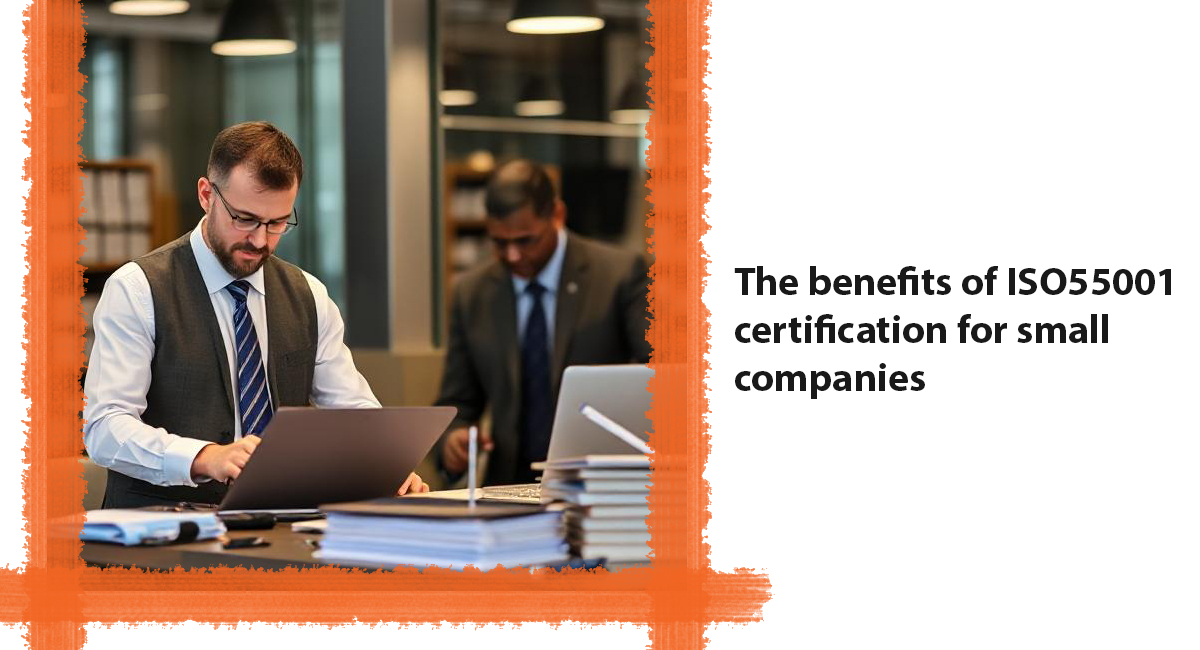
The business world across the globe is growing increasingly competitive. Companies are under immense pressure to act more responsibly and deliver consistently with quality. Resource maintenance is essential for long-term growth. Companies that are heavily dependent on physical assets, like construction and production firms, need an asset management framework for better performance. Getting the ISO 55001 certification standard helps with a comprehensive management of assets, following a visible reduction of resource wastage. ISO 55001 helps level the playing field by offering smaller companies a structured framework to manage their assets just as efficiently as industry giants. In this blog, we explore the top benefits of ISO 55001 certification for small companies and why it is becoming a strategic investment for sustainable success.
ISO 55001 is developed by the International Organisation for Standardisation (ISO) and provides a set of requirements for establishing, implementing, maintaining, and improving an effective asset management system. The standard covers:
Whether your company owns fleets, facilities, technology, or machinery, ISO 55001 helps manage these assets in a way that minimizes costs and enhances value.
Many small companies hesitate to adopt ISO certifications due to perceived complexity or cost. However, ISO 55001 is not just for multinationals. It is adaptable to organisations of all sizes and sectors. Here’s how your small business can benefit:
Improved Asset Performance and Reliability – Unplanned equipment breakdowns or system failures can halt operations and drain resources in small businesses. ISO 55001 encourages proactive maintenance and condition monitoring, resulting in fewer disruptions, longer asset life, and more predictable performance. By following structured maintenance strategies, you reduce emergency repairs and improve reliability across all key operational areas.
Cost Efficiency and Resource Optimisation – One of the biggest benefits for small businesses is cost control. With ISO 55001, companies can identify asset-related inefficiencies and eliminate unnecessary expenses through:
Over time, the improved allocation of resources leads to significant cost savings—freeing up capital to reinvest in business growth.
Risk Reduction and Greater Compliance – Small businesses often operate with limited buffers for financial or operational risk. ISO 55001 helps identify, assess, and mitigate risks related to asset failure, legal liabilities, or environmental issues. The standard also supports compliance with local and international regulations, ensuring your company avoids penalties and upholds a strong reputation with stakeholders and clients.
Better Decision-Making Based on Data – ISO 55001 promotes evidence-based decision-making. Through consistent monitoring, performance metrics, and lifecycle analysis, business owners and managers can make informed choices regarding asset investments, replacements, or retirements. This data-driven approach removes guesswork and enables smarter, faster responses to market and operational changes.
Increased Credibility and Market Opportunities – ISO 55001 certification shows that your company meets global best practices for asset management. This builds trust among customers, investors, and partners, which is essential for smaller firms looking to grow or bid for contracts. In many industries, especially in utilities, construction, or manufacturing, being ISO 55001 certified can open doors to larger procurement opportunities and partnerships.
Supports Sustainable Growth – For small businesses aiming for long-term impact, ISO 55001 promotes sustainability and strategic planning. The standard ensures that your assets are aligned with the company’s overall goals. It helps you scale responsibly without exhausting operational capacity. It also encourages environmentally responsible asset practices, which is crucial in today’s climate-conscious marketplace.
How to Start the ISO 55001 Certification Process – Getting ISO 55001 certified involves a series of structured steps:
Working with ISO 55001 consultants can simplify this journey and help small businesses customise the standard to their scale and industry needs. Do you wish to implement the ISO 55001 management system? If your answer is yes, then contact us at Compliancehelp. We are one of Australia’s premier firms for achieving any ISO certifications. Allow us to help you resolve all sorts of inquiries and questions regarding this topic. You can also hire us for our bespoke solutions for the ISO 55001, which will guide you through the seemingly exhausting process of certification without any difficulty. If you wish to learn more about this system implementation, then our experts are right for you. Get help choosing the right certification.
It is the global standard for an asset management system. It offers clauses that help companies meet compliance and pursue the top industry practices.
Yes, getting the certification can add leverage to your firm. The asset management ensures low wastage, which is a great boon for cost management.
To pass the certification audit, a company must modify its management system for compliance. They must perform a gap analysis followed by an internal audit and readiness review.
You can call the consultants to pass the audit. They help with all the analyses and evaluations.


Get connected with us on social networks!


